BEAT 01
Offer the thought
Open with the cleanest possible proposition. A held glance or a tilted plane may be enough.
keep the first read quiet
A paper-stage practice for characters with readable weight, articulate joints, and a clear reason to move. Bring a scene, a question, or a stack of rough cutouts.
Reserve a rehearsal note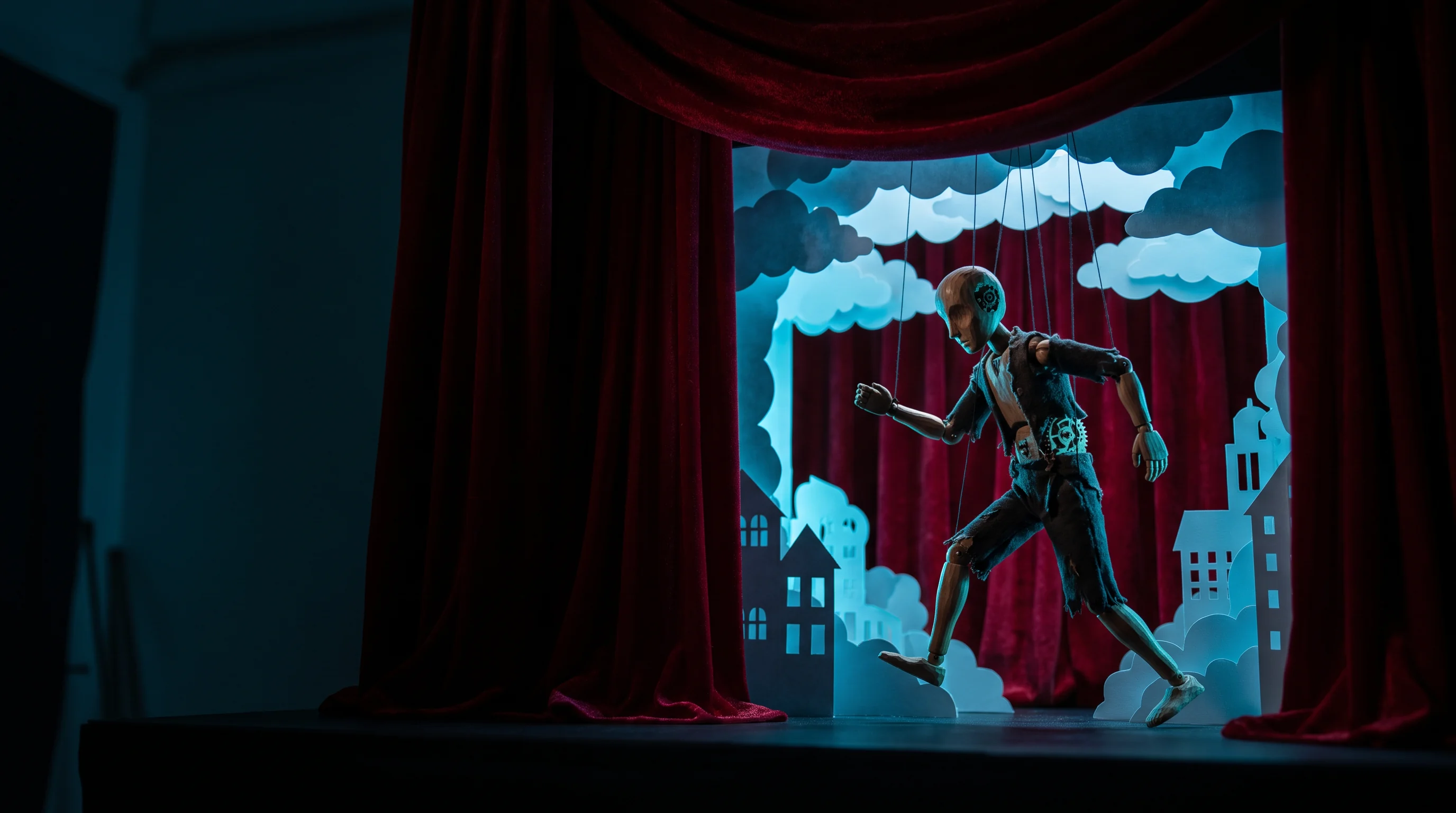
Our rehearsal board starts with the image the audience should receive first. Rigging, spacing and secondary motion are then arranged to protect that read.
Pick a paper frame to change the rehearsal note. This is a small way to inspect where a character’s intent becomes legible.
Name the pivots that change the image. Let the rest serve those pivots.
Loose line, not a checklist: identify only the joints that revise the silhouette or carry the force. Extra controls can wait until the character asks for them.
Props are tiny scene partners. Stage them for scale, grip, friction or interruption—not merely decoration.
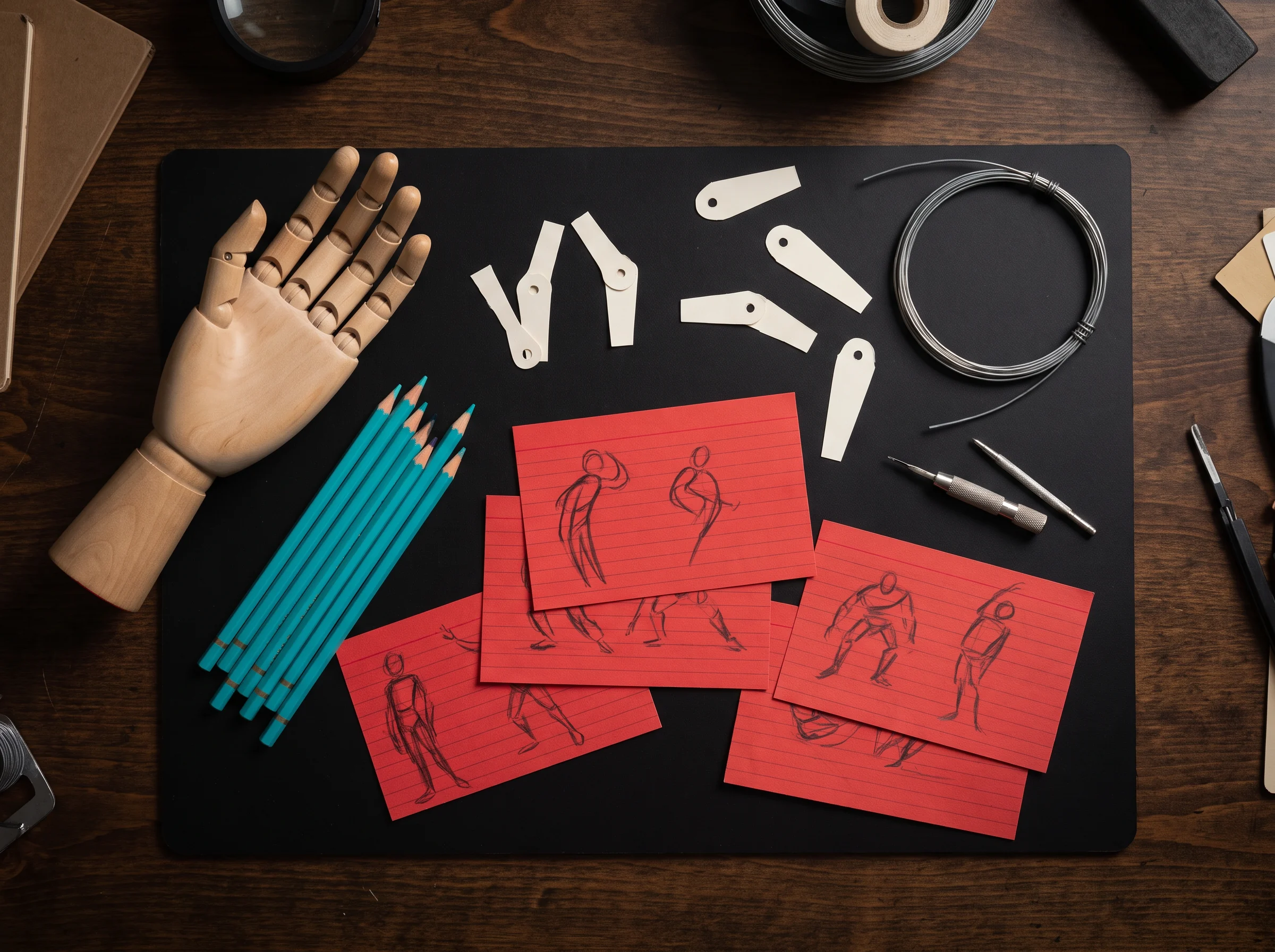
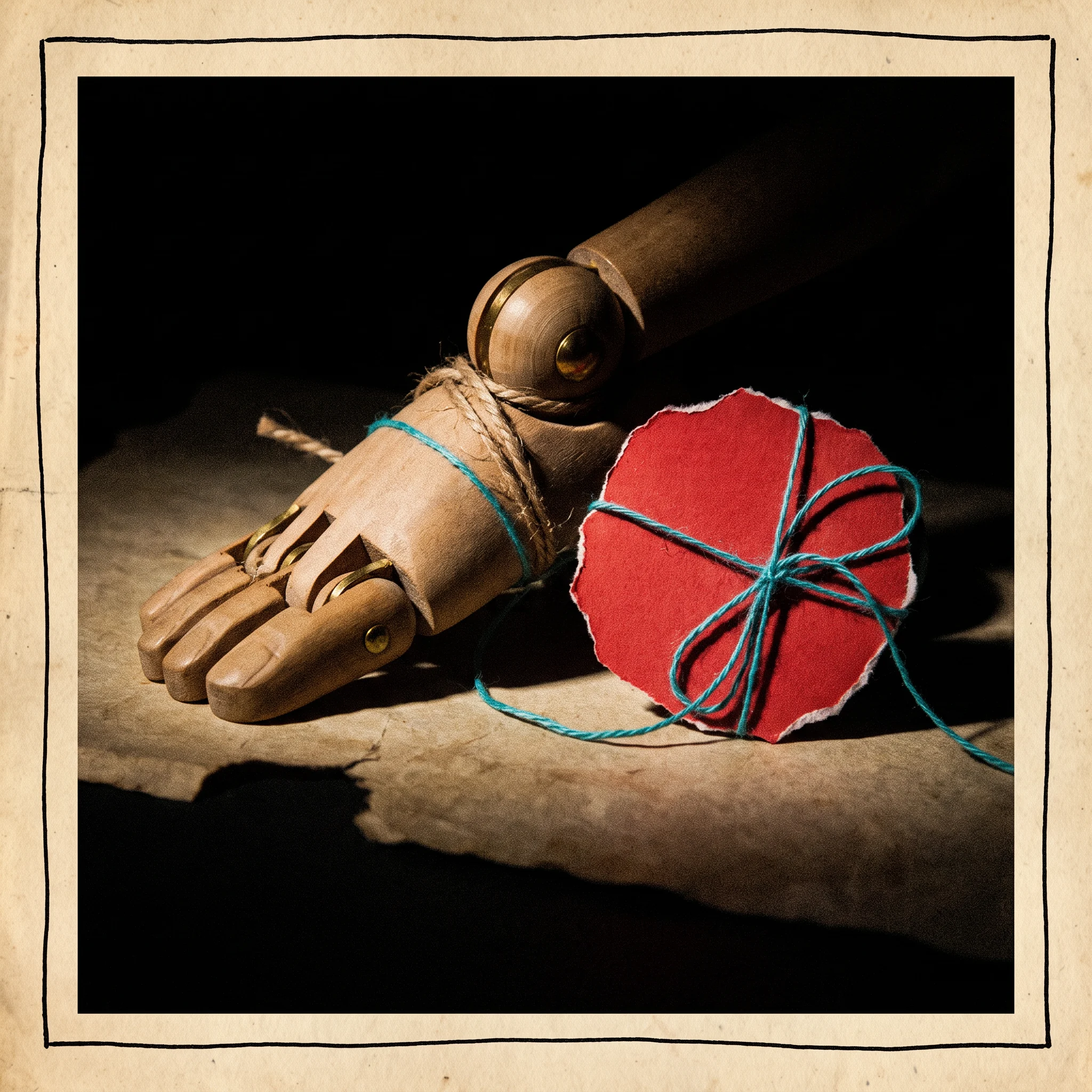
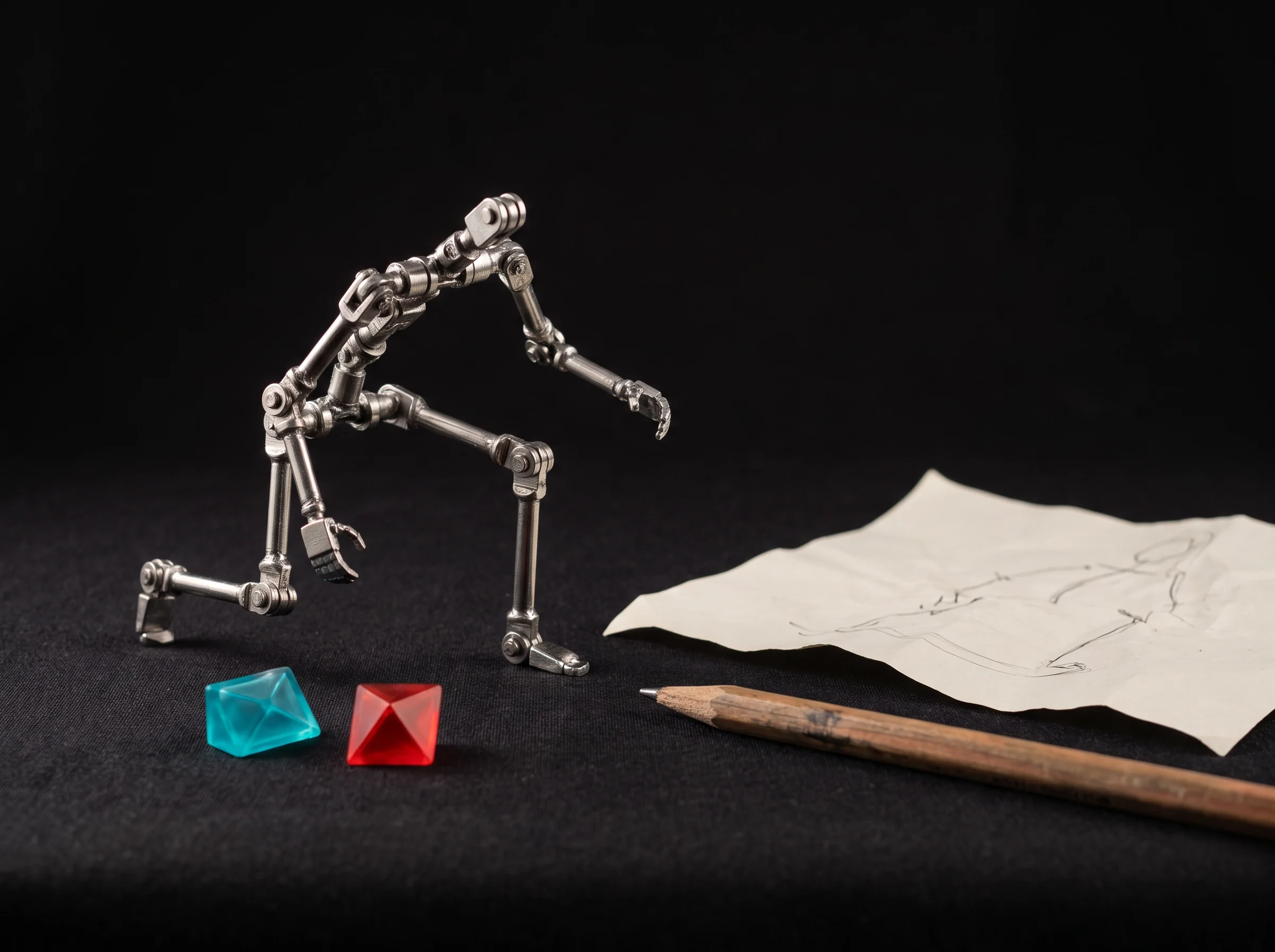
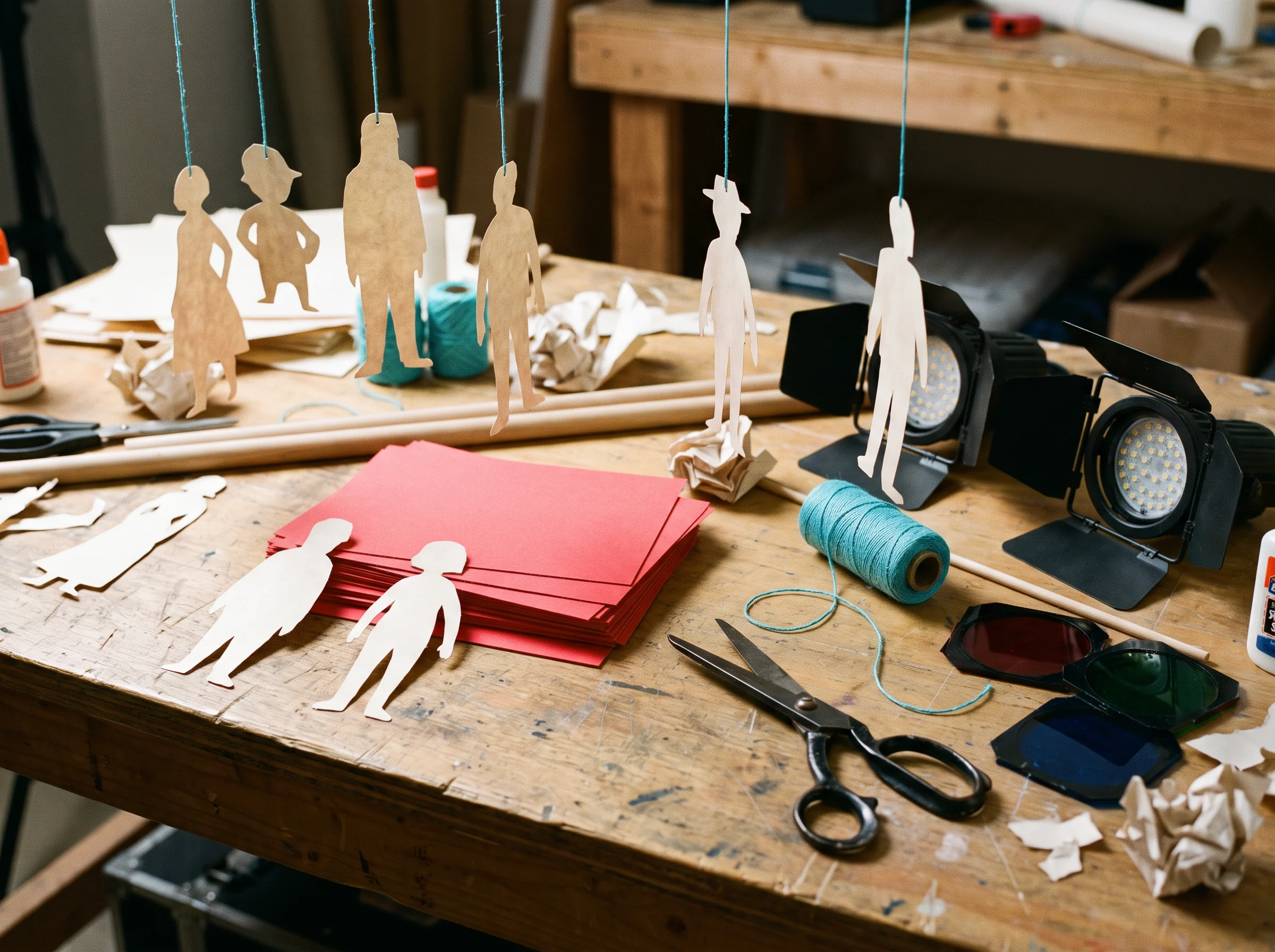
Dock rule: every object receives a purpose before it receives a close-up.
Different offsets make the beat visible: a thought, a push, a catch, a release, a settle.
Open with the cleanest possible proposition. A held glance or a tilted plane may be enough.
keep the first read quiet
Shift the center with purpose so the audience can predict the next decision a fraction early.
the floor is part of the performance
Shoulders, head, hands and gaze do not need the same arrival. Their differences create attention.
offset, do not scramble
Give the action somewhere to land. A small recoil can carry more story than an extra gesture.
one response is enough
Let the final picture stay long enough to be understood before you turn the page.
hold what matters
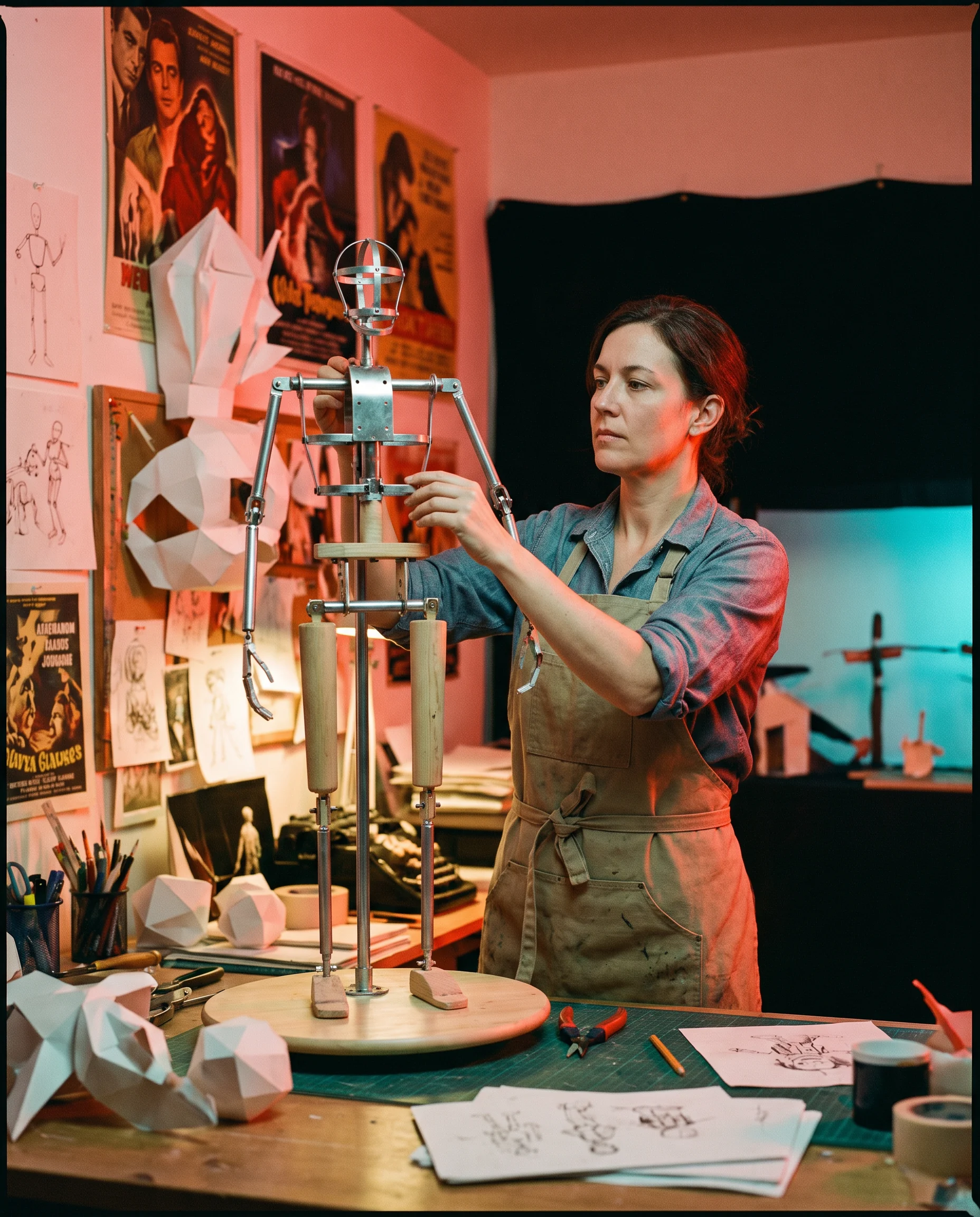
Test the scene in flat shapes and quick staging first. If it reads in an untidy rehearsal, refinement has something steady to follow.
Tap a cue to swap the stage direction. These three levers are useful when a scene feels technically busy but emotionally vague.
A practical handoff is a continuation of the rehearsal: labelled, readable and ready for the next pair of hands.
A visual key for controls, parent relationships, deform zones and the intended range of movement.
Key silhouettes, expression references and framing notes collected where they can be checked quickly.
Plain-language observations about intent, timing and unresolved choices—kept beside the visual work.
Layer and file naming that leaves a clear path from supplied art to current scene materials.
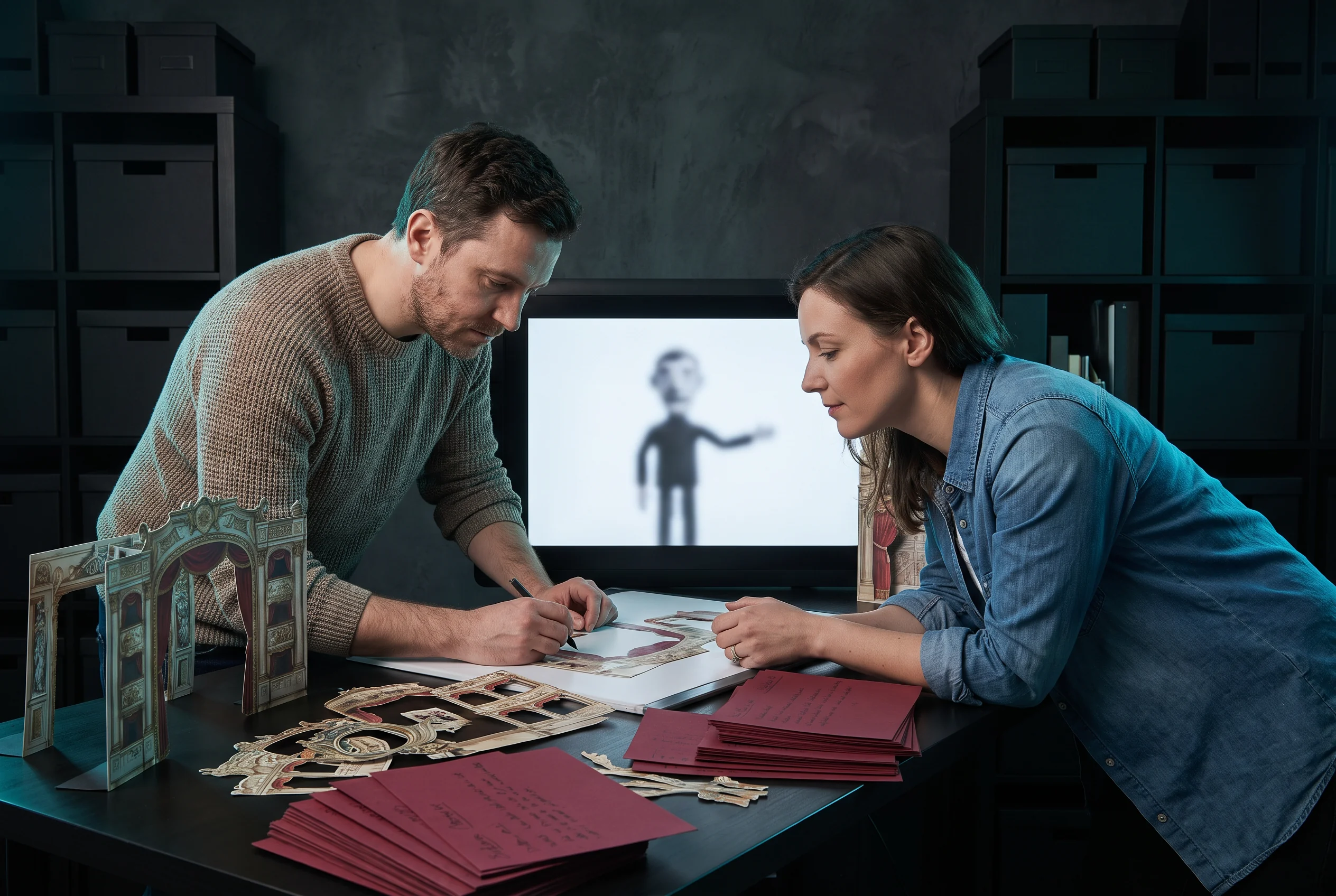
A grounded process keeps the conversation close to the scene. Start with what is visible, decide what needs to change, then make the next pass specific.
This browser-only form lets you compose a rehearsal note. It does not send a message or store your details; use the stage email for direct contact.